Although it remains one of Capcom’s oldest, longest lasting, and most famous franchises, the attentionMega Manhas gotten in the past two decades has been a mixed bag. The second half of the 1980s andthe early 90s wereMega Man’s golden age, as the series became a staple of the Nintendo Entertainment System. By the timeMega Man 6came out, the format was getting old, but thankfully, Capcom had fresher plans in mind for the Super Nintendo withMega Man X. As the main series slowly lost the interest of the public,Mega Man Xcame along to reinvigorate people’s love forMega Man.
Unfortunately, it did not take long forMega Man Xto suffer the same fate as the original series. By the time the series was releasing titles on the PlayStation, the games, with the notable exception ofMega Man X4, were considered mediocre compared to the franchise’s previous outings. They were also criticized for being products of Capcom’s demands rather than love from the developers. By the mid-2000s,Mega Man Xwas a nostalgic relic, and Capcom never revisited the series aside from porting compilations of the first six games to most major platforms. Due to the main series having returned to relative success, it would not hurt Capcom to try revivingMega Man X.
RELATED:The Next Mega Man Show Should Be Based on Mega Man X
The Potential of a Modern, But Old School Mega Man X Game
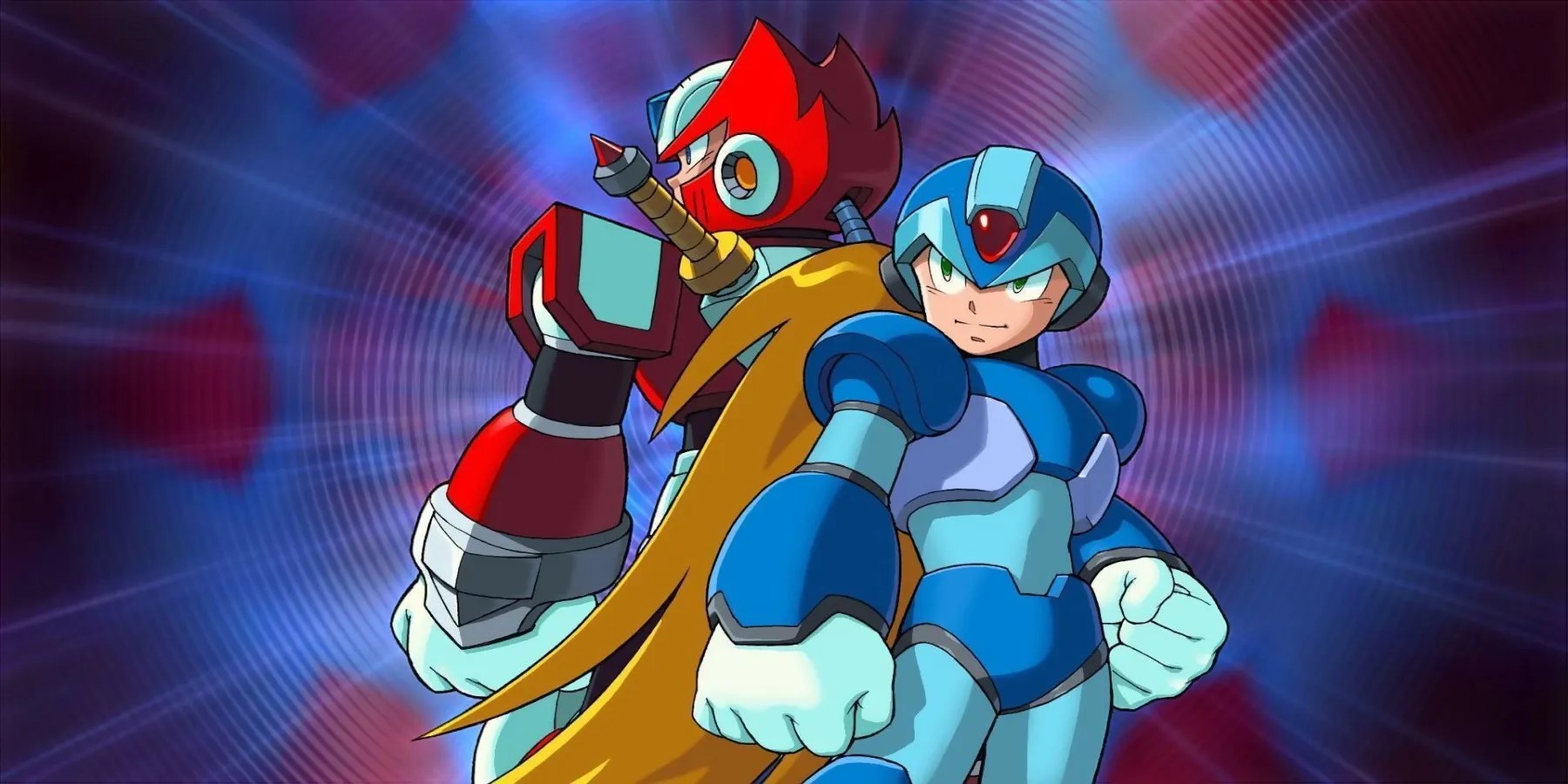
Aside from the first three games in the original series, especially the second one, the originalMega Man Xis arguably the most popular and belovedMega Mangame. The more traditionally “cool” X was a neat alternative to the cutesy regular Mega Man, and fit the cartoonishly “hardcore” tone of 90s pop culture. Zero was even more lauded for similar reasons, and became the series’ breakout character. The animalistic maverick bosses were also popular, especially the likes of Boomer Kuwanger and Storm Eagle.
However, by the time the novelty wore off, the series quickly fell into the same repetitive pattern as the mainlineMega Mangames. BothMega Man X2andX3got good reviews that were nevertheless lukewarm when compared to the acclaim the first game got.X4picked up some steam, but by the timeX5andX6came out, the series was generally considered to have fallen into mediocrity.X7’s poor quality sealed the deal, andX8wasMega Man X’s final hurrah before abruptly ending.
Mega Man’s latest big release was the main series’ 3D entry, and considering the disastrous results that came out ofMega Man X7’s creative decisions, staying away from 3D is the best possible decision. IfCapcom were to revisitMega Man X, the hypothetical new game would look perfect with 16-bit graphics. Not only would it reflect the aesthetics the series is known for and emulate the originalMega Mangames’ comeback with the ninth and tenth entries, but it would stand out even today.
Strangely, despite the console generation being home to dozens of classics, the 16-bit nostalgia is not being utilized to its fullest potential. Aside fromFreedom Planet, there are no “modern 16-bit side scrollers” in the way thatShovel Knightwas a modern NES game andA Hat in Timewas a modern 3D platformer. Without being a brand-new title, a futureMega Man X9with 16-bit graphics would tackle nostalgia for an era that the industry is currently uninterested in aside from porting the big hits of the time.
Despite some hardships,Mega Manremains one of Capcom’s most well-known series, andMega Man Xis its most well-known spinoff. With a market that demands blasts to the past, Capcom could use these current circumstances to its advantage.A 16-bitMega Man X9has the potential to not only please older fans, but attract new ones as well.
Mega Man 11is available on PC, PS4, Switch, and Xbox One.
