Summary
The ability to point at a place on the horizon and then get there one step at a time is one of the most fundamentally important attractions of video games, second only to giving players the feeling of having an ungodly amount of skill, agency, or influence to reshape the world (and the bad guys' faces) as they see fit.Open-world games are expensive to make, and true power fantasies are not experiences that can be measured or replicated easily, but what about those games that get to do both?
Few studios have the budget to craft a truly open worldandthe skill to make good on their promise to players to bestow unrivaled levels of power. It’s a fine line between making worlds feel too stretched out and just expansive enough. Likewise, making players feel powerful, but not so powerful that every fight becomes routine, is quite the balancing act. Somehow, these exalted games have managed to find the sweet spot.

Anyone will attest that the fights inCyberpunk 2077during the early hours of the game can be tense and even overwhelming at certain moments. However, as V continues to add more cybernetic upgrades, they get access toan arsenal of devastating toolsthat will let them breeze through the competition. From being able to hack enemies to blind them, disable or co-opt their gear, or straight up get them to shoot themselves in the head, eventually, players can pull the strings behind the eyes of a cybernetic god.
Of course, more direct, up-close-and-personal cyberware will allow an endgame V to cut through Night City’s streets as an unstoppable machine, only stopping to chop through space and time with thermal-sharpened mantis blades, smash through circuit-etched skeletons with gorilla arms, or sluice through clouds of liberated cyber-scum SmartBlood with a handy line of Monowire.

Power isn’t just measured by how much weight a person can physically lift above their head; reputation and control are much better signifiers. There’s nothing quite like knocking orcs' heads together inShadow of Mordorandforcing them to follow ordersor having a previously defeated enemy show up once again, shaking with fear from the last time to demonstrate this.
Of course, besides being able to wrestle control of orcs' will, the player character, Talion, gets to build up plenty of raw strength before the end of the game to put down enemies with theirbow, dagger, blade, and wraith abilities.Shadow of Mordor’s sequel,Shadow of War, grants players all the power they accumulated in the previous game, allowing them to carry on their absolute conquest against the dark forces of Middle-earth.
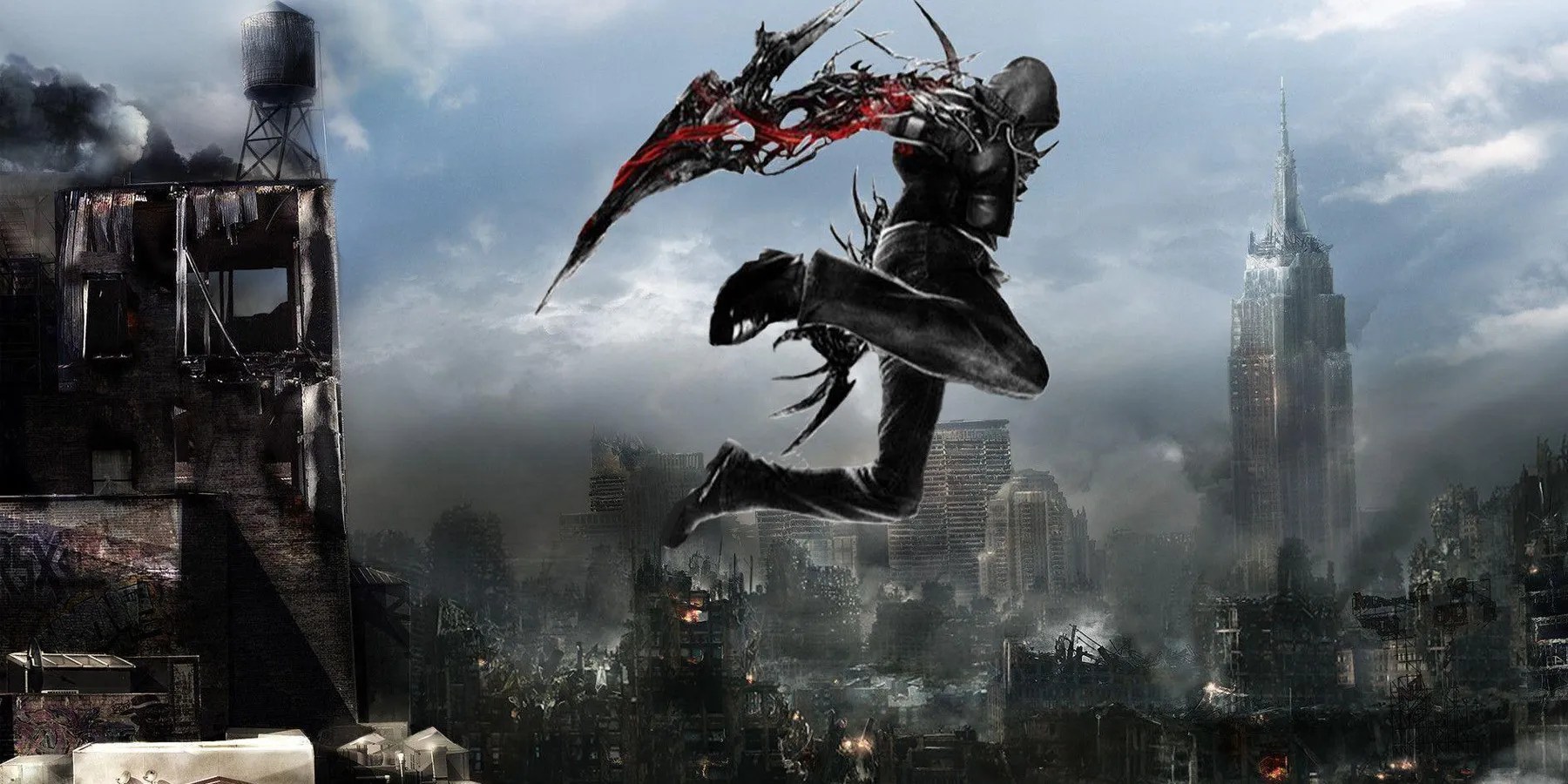
Scaling buildings, throwing cars, and gliding above Manhattan’s skyline is just the tip of the iceberg forPrototype’s massively overpowered protagonist, who can fall out of the sky, turn himself into a biological hammer, and explode into an armored car at a moment’s notice. Alex Mercer bounds around NYC’s iconic landmarks like a heat-seeking missile with legs (and claws for hands), and if he ever getslow health, he can grab a snackfrom New York’s bustling streets to top himself up (the snack, of course, being pedestrians).
Chowing down on local New Yorkers also gives him the ability to take on their appearance, allowing the player to literally become anyone they wish (sort of). Having powers far beyond those of mere mortals may make the moment-to-moment gameplay sound easy, but the later-game enemies will ramp up the challenge. That said, taking down eight super-powered monstrosities at once, then leaping into the clouds to cut a helicopter in half mid-flight before turning a tank into a concave heap of iron scrap, will make anyone feel like a merciless god of carnage.
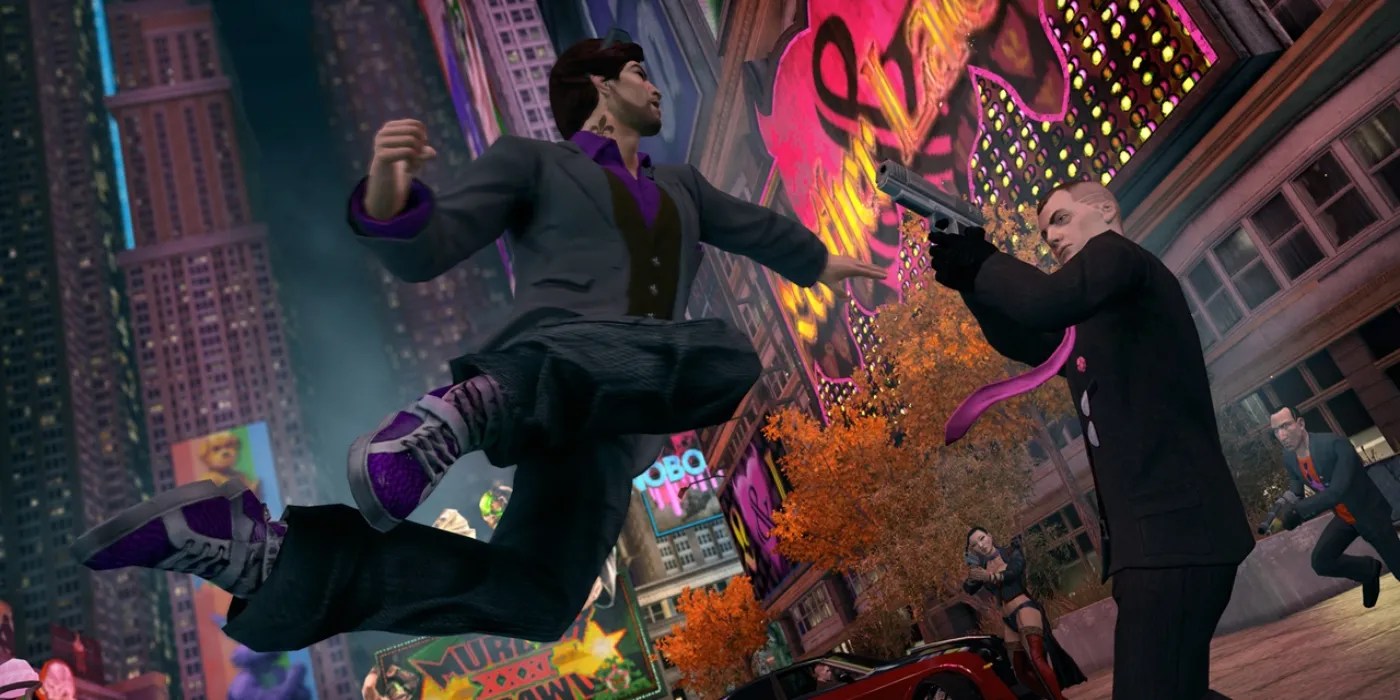
TheSaints Rowseries is known for its absurdist elements and juvenile humor, but it backs up its wacky story moments with excellent player empowerment, with its big-ticket items (weapons, vehicles, and, during the fourth entry,Shonen JumpandThe Matrix-inspired superpowers) and ubiquitous customization options.Saints Row: The Thirdwas developed to be the most bombastic, head-exploding open-world game of all time, and it shows.
Not only is Steelport expansive, but each district is distinct anddripping with sly references and satire.The Thirdwas also intended to be a “full reboot” of the series, meaning players can jump into the story with no prior play of the previous two.Saints Row 4arguably offers the wildest and most unhinged power fantasy options (perhaps in video games in general) and follows directly from the third game’s story.

The Elder Scrolls is no stranger to the “chosen one of prophecy” trope, but inSkyrim, players have dragon blood, which gives them the ability to make enemies explode with a strongly worded utterance. In most other RPGs, the player islimited by their skill or class specialization.However,Skyrim’s power fantasy design philosophy permits the player to dip into any gameplay style and, for the most part, succeed at whatever they’re doing on the first try, be it magic, stealth archery, or melee combat.
The Elder Scrolls are famous for their intimately crafted worlds, and although there are much bigger maps on the gaming market, none feel as hand-crafted and filled with things to do asSkyrim’s. Players can find powerful relics and treasure, meet soulful NPCs, explore forgotten depths, or go fishing anywhere on the map with no restrictions, perhaps with the exception of some bothersome trolls. But after leveling up a few times, the fuzzy creatures shouldn’t be too much trouble.
