Nintendo’s first party games are littered with iconic characters, from Samus inMetroidto Tom Nook in the much-lovedAnimal Crossingfranchise. However, there is only one who truly stands alongside Mario as one of the industry’s greatest. Link fromThe Legend of Zeldahas all the ingredients needed to make a plucky, unlikely, but heroic main character. He’s perfect for the adventure game genre, as each quest requires the might of a hero who always seems like he has a chance at success, no matter how slim the odds may be.Link has changed drastically through the years, and while this may seem like it’s because of hardware improvements (though this has something to do with it), there are definitely more reasons at play.
Despite being the protagonist of every mainlineLegend of Zeldatitle, there are plenty if iterations of Link, and only a few games share the same version. The unlikely hero that fights back against the darkness inBreath of the Wildis all together different from the one who navigates Hyrule’s harsh waters inThe Wind Waker, and while they have plenty of obvious similarities, there are also some subtle and not so subtle differences that make them all unique. Links are not created equal, and some are more powerful, relatable, or outright better than others.
RELATED:Zelda: Breath of the Wild 2 Has Set Up Several Mysteries About Link and His Equipment
S Tier
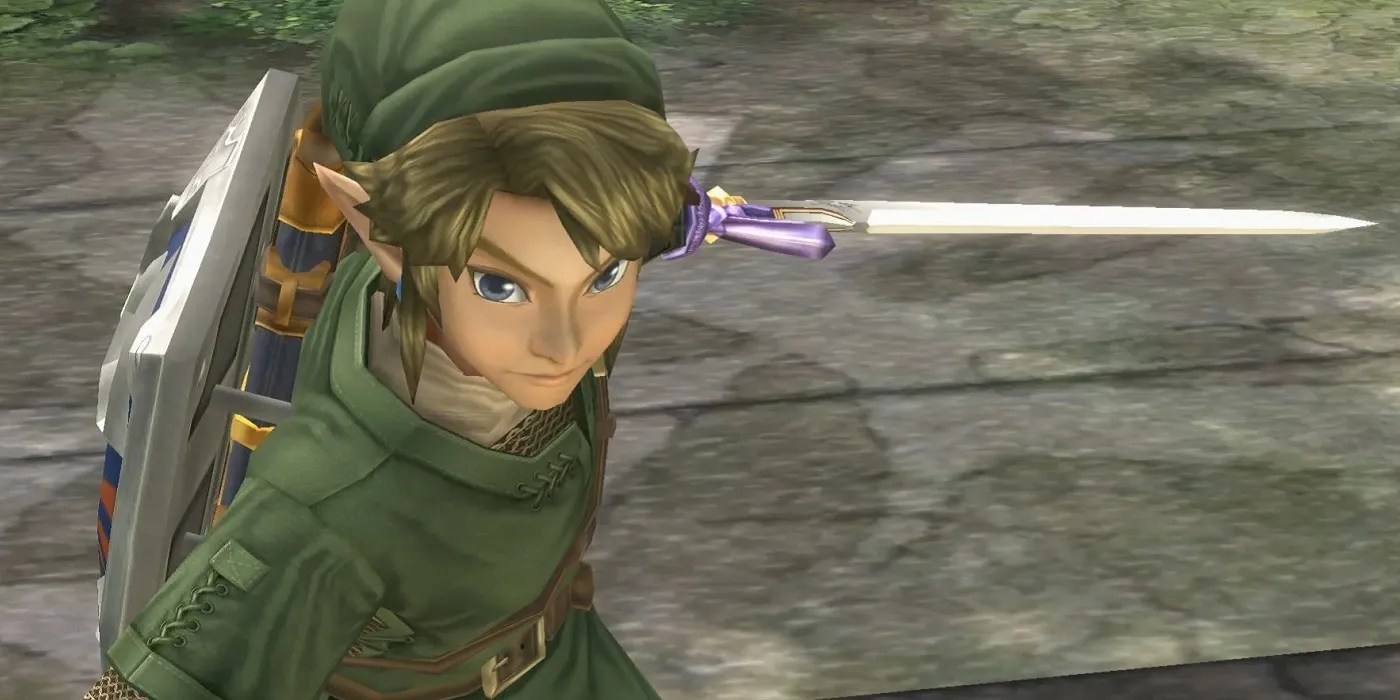
Link (Twilight Princess):Though it may not be the best reviewed game in the series,The Legend of Zelda: Twilight Princessdoes a lot right. Its tone is superb, its story is great, andreleasing on both Wii and GameCubemakes it accessible to plenty of fans everywhere. However, perhaps its greatest strength is the way it develops Link throughout. He’s as strong as they come, with a plethora of useful items to use along the journey, but his humble beginnings show just how well his coming of age arc is handled. Thrust into the role of hero,Twilight Princesspresents a Link that is more than worthy of the challenge.
Link (Breath of the Wild):Learning to survive and eventually thrive in the harshness of the wilderness is something that few characters in gaming have shown the will to be able to do. Awakening from a cave in the middle of nowhere, Link ventures out into the wild with nothing but a Sheikah Slate and well-worn clothes to keep him warm. In the hours that come after, Link battles through the harshest of terrain and themost grizzly of enemies like Lynelsand Stone Talus', all on the road to ridding Hyrule of Ganon’s plight. The progression from barely surviving to being the most proficient entity in the land is something that feels unlikely, yet totally natural, and Link simply takes it in stride.

A Tier
Link (Skyward Sword):2011’sSkyward Swordis the most divisiveLegend of Zeldatitle yet. On one hand, its controls were off-putting, and the design of its levels were too simplistic and linear. On the other, it offered a superb story with fantastic dungeons and bosses, and gave Link his most significant character arc yet. Link has always been a silent protagonist, which allows players to project themselves onto him and see the world as he does. However, withSkyward Swordbeing the first game in the series' convoluted timeline, it was crucial to give him his own unique flavor, and it does so with ease. Link is the most likable he has ever been, and the quest he embarks upon has weight because it feels like gamers are going into battle with a friend.
Link (Ocarina of TimeandMajora’s Mask):Perhaps the most revered entries inThe Legend of Zelda,Ocarina of TimeandMajora’s Maskshowed that the series' golden age was on the Nintendo 64. While both share plenty of gameplay similarities, the stories they present could not be more different, as one is atypical (albeit surprisingly sad)Zeldaadventureand the other is something far stranger and more psychedelic. The Link that takes center stage in both games is the same character, and as players see him as a child and adult inOcarina of Time, it paints a well-rounded picture of the Hero of Time. As a child he is brave and dedicated, but naive. After exiting the Temple of Time, it’s clear that his childlike wonder is gone and a new, more mature hero emerges.

Link (The Wind WakerandPhantom Hourglass):Phantom Hourglassdoesn’t offer much on the character of Link, as it’s not really a game worth going back to and doesn’t advance him in any meaningful way. However, the Link presented inThe Wind Wakeris one that has more courage than he often knows what to do with. From aimlessly attempting to save his sister from the Forsaken Fortress to plunging the master sword into Ganondorf’s head at the game’s conclusion, he is the embodiment of what it means to be a hero. It’s a shame thatThe Wind Waker HDwasn’t the system seller that Nintendo thought it was, as Link and Zelda’s character development gives players two of the game’s brightest points.
RELATED:The Pros and Cons of Time Travel in Zelda: Breath of the Wild 2

B Tier
Link (A Link to the Past, Link’s AwakeningandOracle of AgesandSeasons):Easily the most seasoned of all Links, the one featured through the SNES, Game Boy, and Game Boy Color has been on more princess-saving quests than any other. The hardware restrictions of the aforementioned consoles limits the ways in which his character can be developed, but with that much experience, it’s clear that his might is not to be questioned. Surviving the harshness of Koholint Island and saving Hyrule from the darkness are but some of his accomplishments.Link’s ability to have whole adventures while sleeping out at seamakes him committed to the cause, at the very least.
Link (A Link Between WorldsandTri Force Heroes):A Link Between Worldsis regarded by many as one of the best 2DZeldatitlesto date, and it does this by leaning into the very things that made previous games so great. From its lovingly-accurate depiction of Hyrule as presented inA Link to the Pastto its art style that feels new and unique, but still fits into the franchise’s aesthetic. As such, Link feels like he ought to. No more, no less. There’s not much character development inA Link Between Worldsand Link’s arsenal is similar to previous games, so it’s hard to justify him as one of the best. Jack of all trades, master of none.

C Tier
Link (The Legend of ZeldaandZelda 2: The Adventure of Link):The games that started it all,The Legend of ZeldaandZelda 2are worthy of praise for the foundations they laid for the series to further develop upon. It’s clear thatBreath of the Wildwas inspired greatly by the former, and so credit must be given to the Link both games present. After emerging from the cave in the first game, he embarks on a perilous, albeit very pixilated quest that has him flirt with death on many occasions. However, he has absolutely no development as a character, and could be replaced by anybody or anything.The Legend of ZeldaandZelda 2present a brave but boring Link, as the experience clearly takes priority.
Link (Spirit Tracks):Spirit Tracksis a game that many fans forgot not long after its release, but it takes full advantage of the Nintendo DS' capabilities and has spots of something really great. Link has many of the qualities that made him so heroic to begin with, but with the story establishing that he’s a budding engineer, it feels too different from the sword-wielding hero that fans have come to know. The development that Link gets inSpirit Tracksis more detailed than many expected, but doesn’t paint the character in a way that truly fits. In any case,the Switch would do well to remind fans of the fun that can be had inSpirit Tracks, as the DS is simply too old at this point.
RELATED:Ember Lab Would Make a Great Legend of Zelda Game
D Tier
Link (Four Swords Adventures):Four Swords Adventureswould also be perfect for the Switch, as it presents multiple different versions of the iconic character that would effortlessly take advantage of the system’s functionality. However, this is largely the issue with its take on Link.Four Swords Adventuresis all about gameplay, showing how the Game Boy Advance can link (no pun intended) to the GameCube to make the game’s premise a reality. It’s a tech demo in every way, and this comes at the cost of making the hero feel different. All versions are exactly the same, and so it feels like a missed opportunity, as having four separate interpretations on the same character would have been an interesting narrative wrinkle.
Link (The Minish Cap):Link has certain character staples, and 2004’sThe Minish Capmakes sure it hits each one, but doesn’t do much else. Taking advantage of one of Hyrule’s lesser known races, the Picori,The Minish Capis a delightful and overlooked experiencethat offers some unique gameplay and visual elements, but achieves this with a character that feels a little too familiar. By the time it released, Link had already been on plenty of exceptionalThe Legend of Zeldaadventures, so he was in dire need of a new direction.The Minish Cap’s take on Link is by no means bad, but it doesn’t do anything to make him stand out.
MORE:Why Fans Think Zelda: Breath of the Wild 2 Will Launch Alongside Switch 2
